Audio Processing Unit
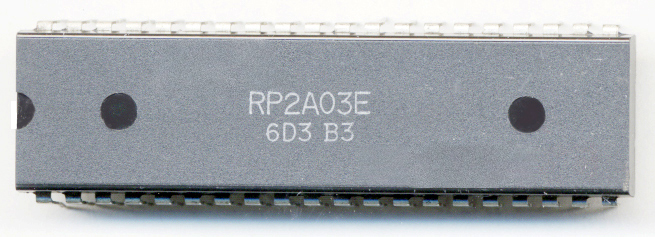
The NES APU is the audio processing unit in the NES console which generates sound for games.
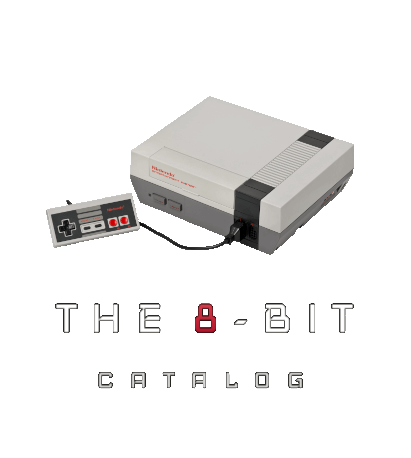
It is regarded as one of the most influential gaming consoles. The NES pioneered a now-standard business model of licensing third-party developers to produce and distribute games. It was released in Japan on July 15, 1983, as the Family Computer (Famicom). Today, the NES is the 14th best-selling console of all time and has a thriving community. The console has 1,377 licensed games globally, and the community has produced many unofficial games.
The Nintendo Entertainment System has the following components: 2A03 CPU based on the MOS Technology 6502 8-bit microprocessor, 2C02 PPU (picture processing unit), serial input for game controllers, audio output comprising four tone generators and a delta modulation playback device, 2 KiB of RAM for use by the CPU and 2 KiB of RAM for use by the PPU.
The NES has two general-purpose controller ports on the front of the console, as well as a (rarely used) 48-pin expansion port underneath. The Famicom's standard controllers are hardwired to the front of the unit, and a special 15-pin expansion port is commonly used for third-party controllers. The AV Famicom, however, features detachable controllers using the same ports as the NES. The NES and Famicom have a set of I/O ports used for controllers and other peripherals.
Read about the NES architecture. You can find an overview in the articles below.
The NES APU is the audio processing unit in the NES console which generates sound for games.
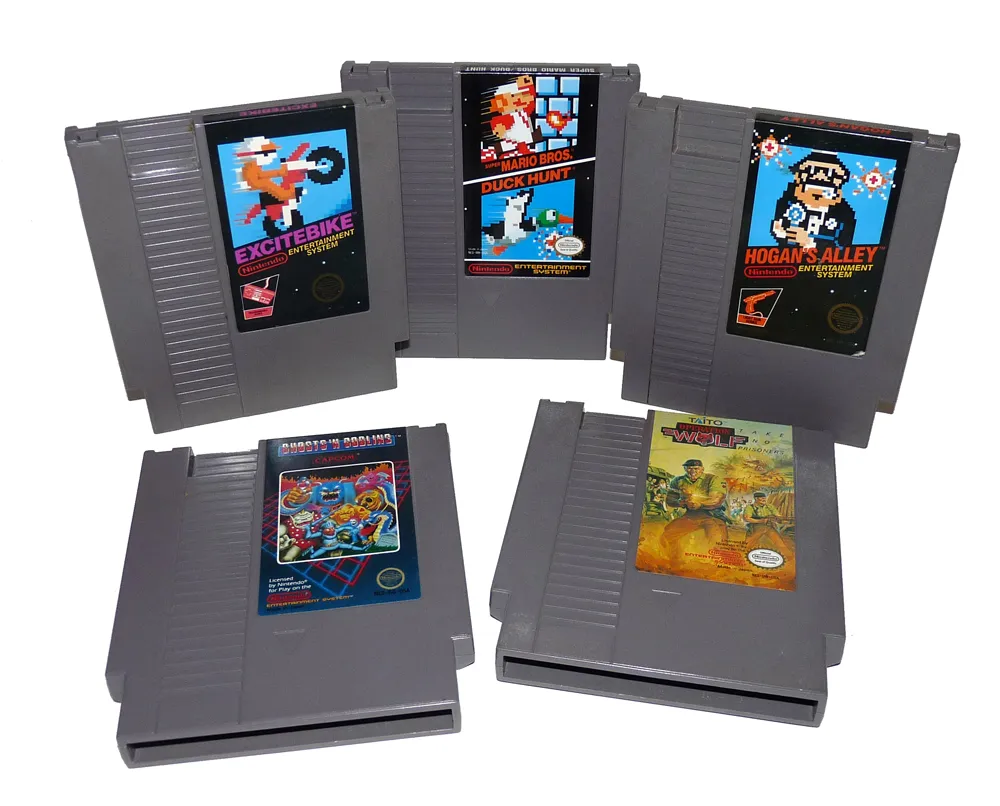
NES games come in cartridges, and inside of those cartridges are various circuits and hardware.
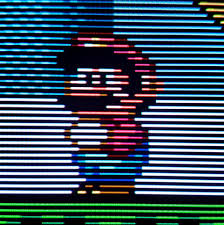
The PPU generates a composite video signal with 240 lines of pixels, designed to be...
The NES CPU core is based on the 6502 processor and runs at approximately 1.79 MHz...